

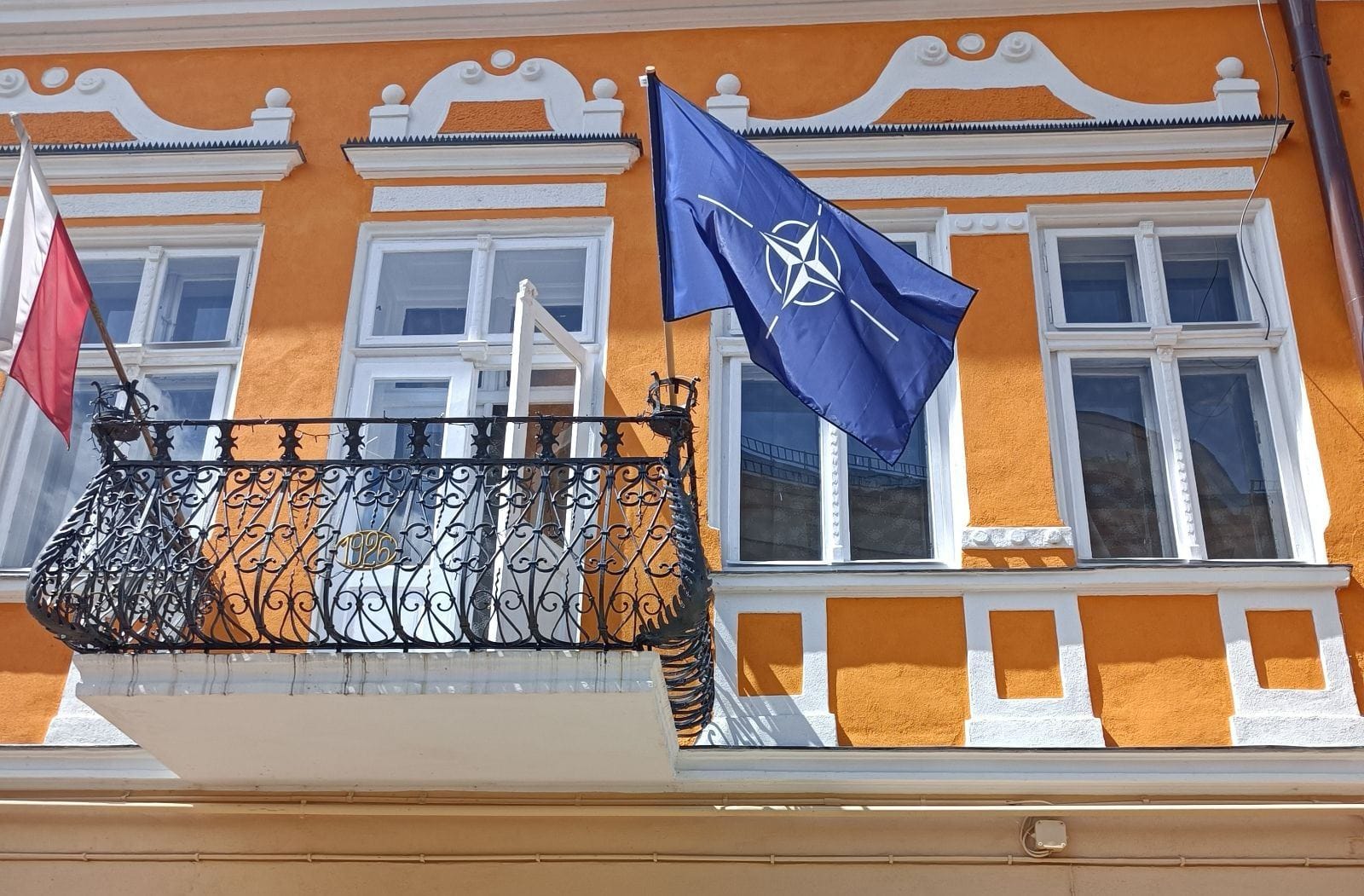
Article 5 is the heart of the North Atlantic Treaty: the clause that commits every NATO member to treat an armed attack on any one member as an attack on all. It is also, deliberately, one of the most ambiguous sentences in international security.
The text
The Washington Treaty, signed in 1949, states in Article 5 that “an armed attack against one or more of them in Europe or North America shall be considered an attack against them all” and that each member will assist the attacked party by taking “such action as it deems necessary, including the use of armed force, to restore and maintain the security of the North Atlantic area.”
Two words carry the whole history of the clause: “deems necessary.” The treaty creates an obligation to respond — not a guarantee of what the response will be. A member’s commitment is to act, in consultation, by whatever means it judges necessary. In practice the response is shaped by planning, exercises and political commitment, which is why so much of NATO’s everyday work is about making the response credible before it is needed.
When has it been invoked?
Once. On 12 September 2001, in response to the attacks of 11 September, the allies invoked Article 5 for the first time, declaring the attack an attack on them all and supporting the subsequent operations in Afghanistan. NATO also invoked it in a supporting role for collective defence in the wake of the 2022 invasion of Ukraine — not formally, but by activating the alliance’s collective defence plans on the eastern flank.
The absence of formal invocations for attacks on other members is not a sign of weakness; it is a sign of deterrence working. Article 5 is designed so that its credibility prevents the situation in which it must be used.
The debate
Because the clause is deliberately elastic, every generation argues about its limits: whether it covers cyber attacks, attacks on infrastructure, attacks by non-state groups or attacks on allies’ forces abroad. The answers are always the same in form — it depends on the decision of the allies at the time. That is not a weakness in the system. It is the source of its political weight: an attack on one is an attack on all because the allies have decided it is so, and each such decision renews the treaty.