

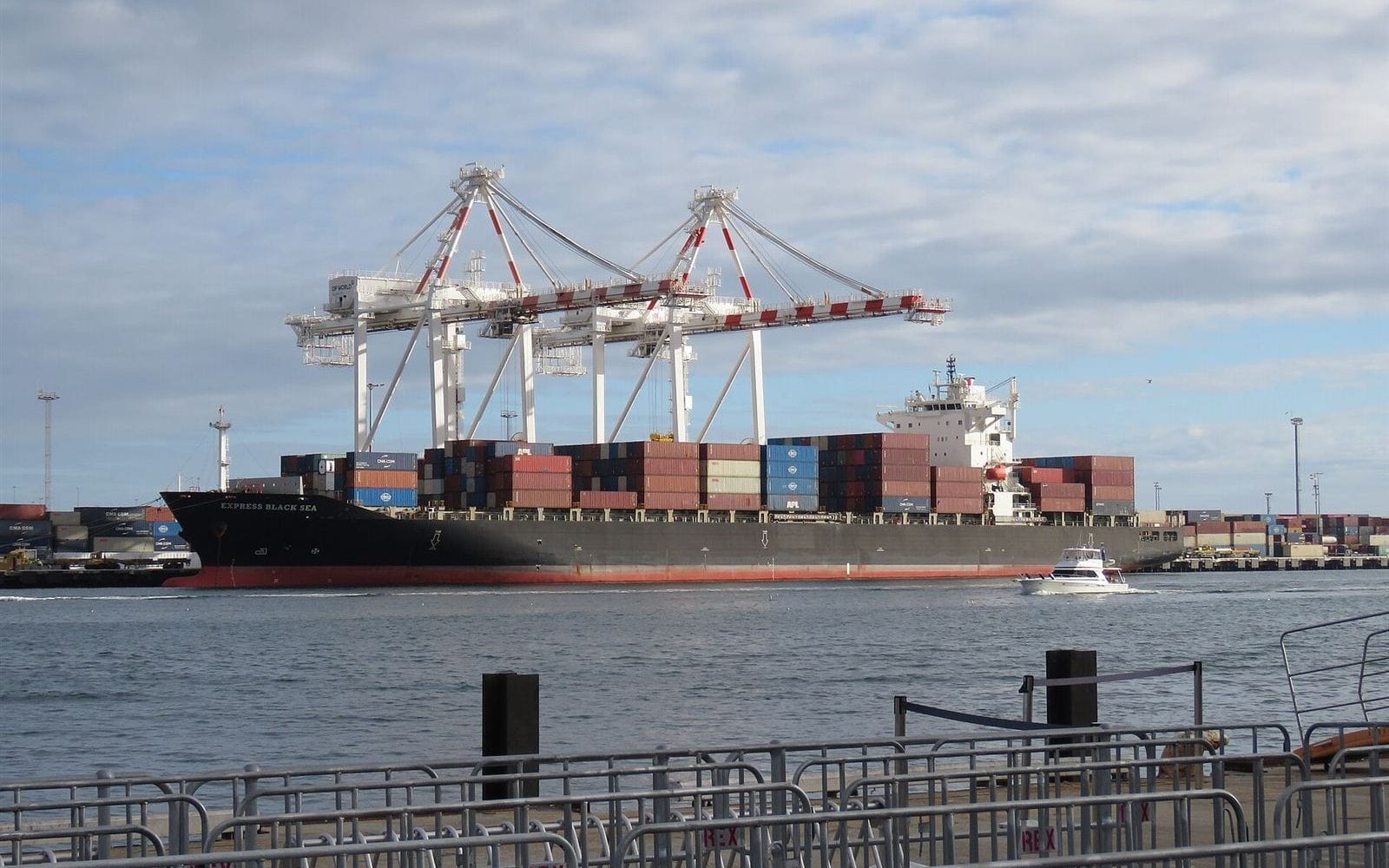
The tariff wars of the past decade were the overture. The main act is being played far from Washington and Beijing, in the ports, rail corridors and special economic zones of the global south. Both powers have concluded that the next round of economic competition will be won by whoever owns the arteries of trade — and the battle for those arteries is being fought in Southeast Asia, Africa and Latin America.
The corridor logic
The strategic shift is visible in the geography of investment. Beijing’s infrastructure vision has moved beyond single projects toward continent-scale corridors: railways connecting inland China to new ports on the Indian Ocean, pipelines crossing from Central Asia, and a digital architecture of standards and cables that follows the same routes. Washington’s answer has been slower to form but follows the same logic: alternative corridors, alternative standards, alternative financing — a coalition of infrastructure that can offer partners the same exit from dependency that Beijing advertises.
The competition is not symmetric. Chinese state financing moves at the speed of a single decision; Western infrastructure finance must reconcile commercial banks, development finance institutions and sovereign guarantees. The asymmetry is real, and it shows in the pipelines — both the literal and the figurative kind.
Southeast Asia: the swing region
Nowhere is the dynamic sharper than in Southeast Asia. The region has become the hinge of global manufacturing: the final assembly point for much of the world’s electronics, the new home of supply chains relocated from China, and the site of the most intense infrastructure competition on earth. Its states have become expert at extracting maximum benefit from both sides — Chinese capital for ports and rail, Western capital and markets for technology and exports — without formally joining either camp.
The strategy is rational, and it is reaching its limits. As both powers tighten technology controls and demand clearer alignments, the comfortable middle position becomes harder to hold. Every Southeast Asian capital is now performing the same calculation: how to diversify without losing access, and how to keep the corridors open without becoming a chokepoint.
What the contest is really about
Underneath the competition over ports and railways lies a contest over rules. Whether the next era of global trade runs on open, interoperable standards or on parallel, distinct systems will determine the cost of doing business for every economy on earth. The great powers are building corridors and, through them, drafting the constitution of the future world economy. The smaller powers are choosing, project by project, which constitution they will live under.