

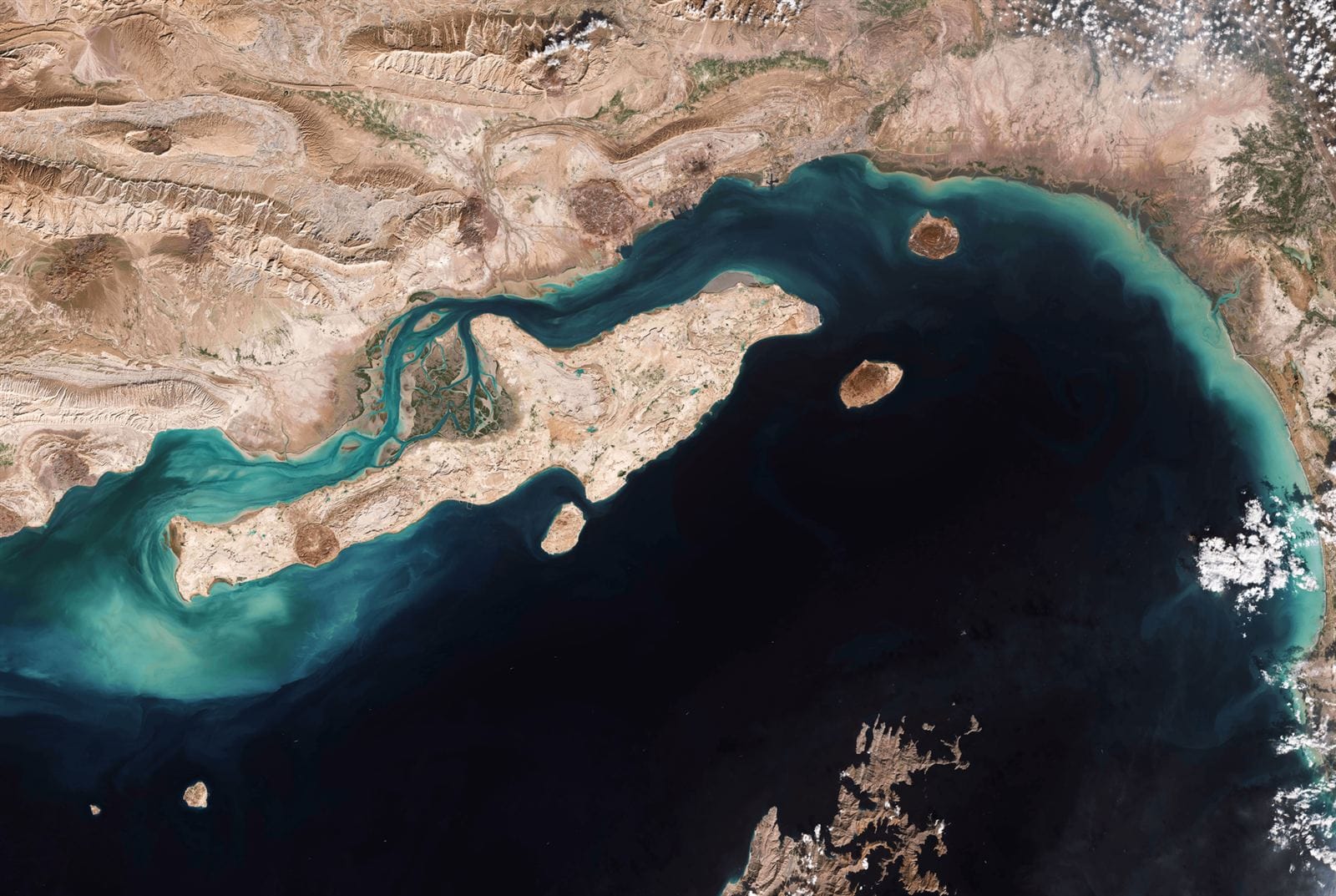
The Strait of Hormuz is the most important maritime chokepoint in the world economy — a 33-kilometre corridor between Iran and the Arabian Peninsula through which a fifth of global oil consumption and a third of liquefied natural gas trade flows daily. Every power with an interest in the region has a doctrine for it, which is precisely why it remains the point where the Middle East’s political tensions meet the world’s energy security.
Why it matters, in numbers
The strait’s importance is not abstract. The tanker traffic that transits it each day supplies markets from Japan to the United States. Because it is a chokepoint, its closure would not merely reduce supply — it would remove a fifth of the world’s oil from the market with almost no notice, and the price response would precede any physical shortage by hours.
That is the strait’s strategic power: the market’s reaction to the possibility of disruption is nearly as damaging as the disruption itself. Insurance premiums, shipping rates and futures prices move on the first signal, not the first shot.
The tactics of pressure
Tehran has never attempted to close the strait, and its conduct suggests it never will. Closing it would cross every red line at once — it is the one act that would be treated as an act of war by the entire region, not just one bloc. Instead, the pressure has taken the form of calibrated harassment: tanker seizures, GPS spoofing, drone incidents, and the periodic threat of mining conducted at a level that creates risk and raises costs without triggering full escalation.
The logic is deterrence by nuisance. Each incident raises the price of doing business with Iran’s adversaries while leaving Tehran a plausible distance from outright provocation. For the states whose energy security runs through the strait, the result is a permanent tax of uncertainty — and a permanent reason to seek alternatives.
The changing calculus
The strait’s dominance is real but not eternal. New pipeline routes and expanded export capacity on the Arabian side of the Gulf have given the region partial bypass options. Yet the arithmetic still holds: no alternative infrastructure can replace the strait’s capacity within the foreseeable future. And in one respect, its importance is rising: with global spare capacity thin and the energy transition slowing investment in new production, the margin of error in the global market has never been narrower.
What to watch
- Insurance and freight rates — the market’s real-time reading of risk in the strait.
- Naval deployments — the balance of presence between the patrol forces of the Gulf states, their allies and the Iranian navy.
- The bypass infrastructure — every new pipeline capacity is a quiet vote on the strait’s future.