

For two decades, the Middle East’s strategic map was drawn in Washington, Riyadh and Tel Aviv, with Tehran as the designated outlier. That map is being redrawn — not by a single war or summit, but by the slow accumulation of hedging, economic pressure and diplomatic improvisation. The result is a region in which no single power commands the order and every state is keeping more than one set of books.
The thinning of the American umbrella
The first force at work is the quiet recalibration of American commitment. Washington has not withdrawn from the region; it has changed what it is willing to underwrite. Gulf capitals read the signals the way they always have — through force posture, arms sales and the text of presidential statements — and what they read is a superpower increasingly reluctant to spend political capital on the region’s older quarrels.
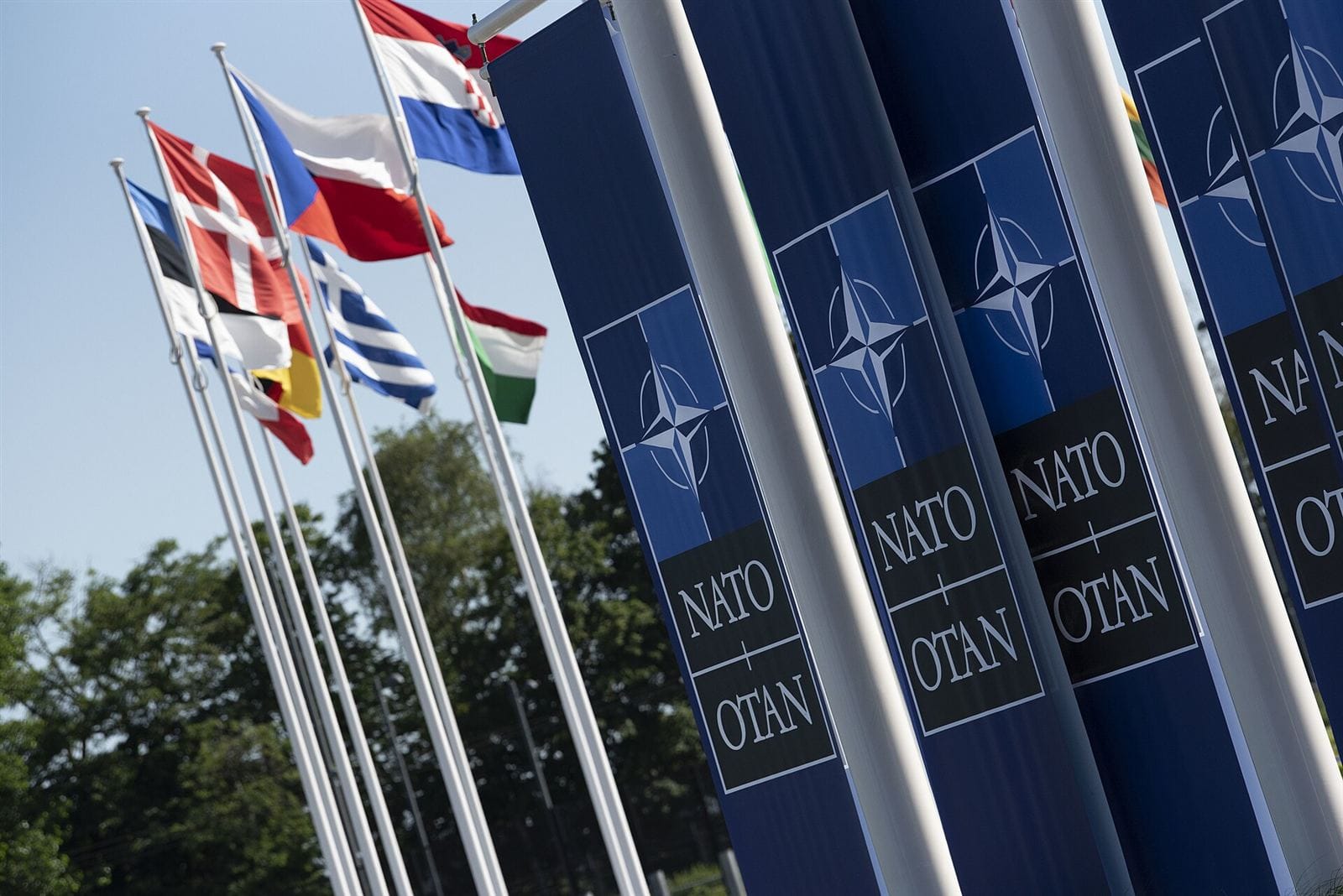
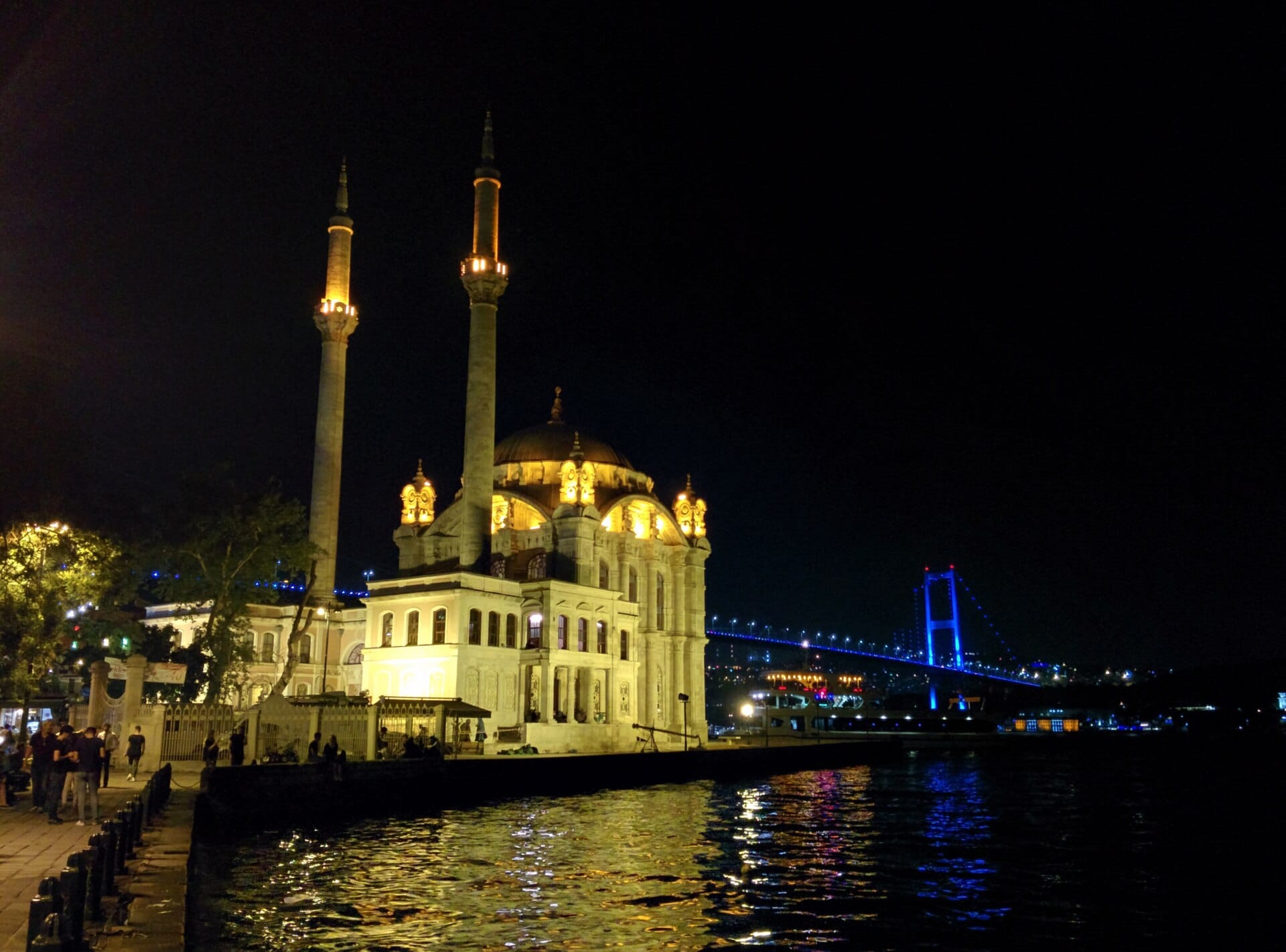
The consequences are visible in behaviour rather than rhetoric. Riyadh restored relations with Tehran and kept talking to Moscow. Abu Dhabi hosted Chinese investment while preserving its American security relationship. Ankara, a NATO member, runs a sanctions-adjacent trade relationship with Russia and simultaneously negotiates defence offsets with Washington.
Tehran’s clock, everyone’s problem
The second force is the nuclear programme, which has become the region’s quiet metronome. Enrichment capacity has grown far beyond the limits of the defunct 2015 agreement, and the timeline for a credible breakout capability is now measured in a matter of weeks, not months. Diplomacy has not collapsed; it has become a holding action. The talks in Geneva this week are real — the mutual interest in avoiding open conflict is real — but the gap between what a deal would require of both sides and what either can politically concede has never been wider.
The region has begun to price in a nuclear Iran either way. Israel’s public planning has shifted from prevention scenarios to management scenarios. The Gulf states have quietly built their own hedging structures into civilian energy programmes. Saudi Arabia’s civil nuclear ambitions, long discussed, are moving toward the point where enrichment — the threshold that has always separated civilian programmes from latent weapons capability — becomes a negotiation item in its own right.
Economics has left the security column
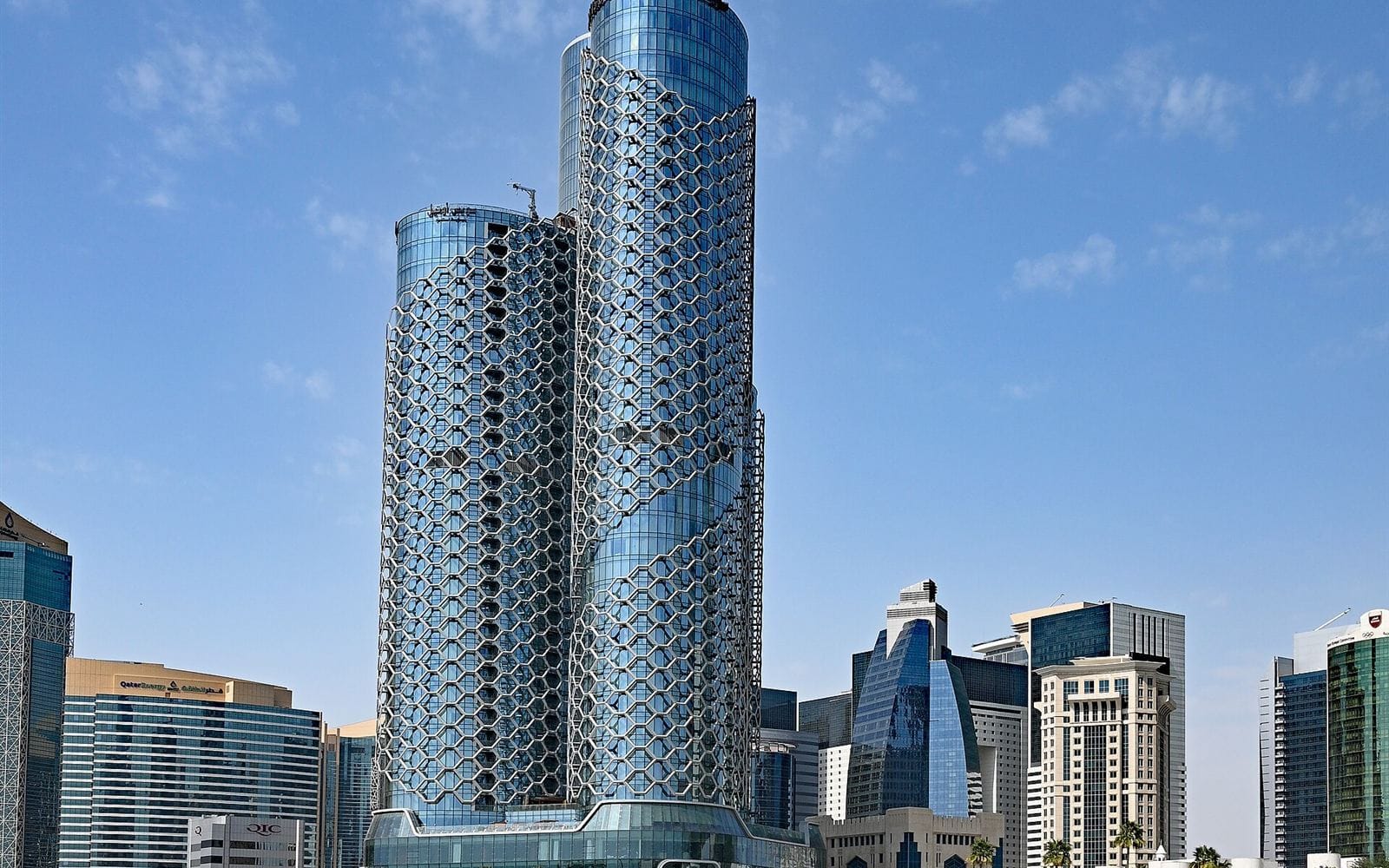
The third force is the region’s own transformation into a hub of global trade and investment. The Gulf states are no longer petro-states that happen to buy weapons; they are nodes in the global economy, and their interests now run through shipping lanes, refineries, data centres and sovereign funds that touch every major economy on earth.
This changes the calculus of coercion. When the largest economies in the region hold hundreds of billions of dollars in Western assets and own critical infrastructure from London to Mumbai, the old categories — who is in the American camp, who is in the Chinese camp — stop describing what states actually do.
What to watch
- The Geneva track. Whether the talks move from stabilisation to a verifiable framework within one negotiating cycle, or slip into the familiar rhythm of deadline-extending.
- Saudi enrichment politics. Any public step toward domestic enrichment will trigger a cascade of demands across the region and test the American and European non-proliferation posture simultaneously.
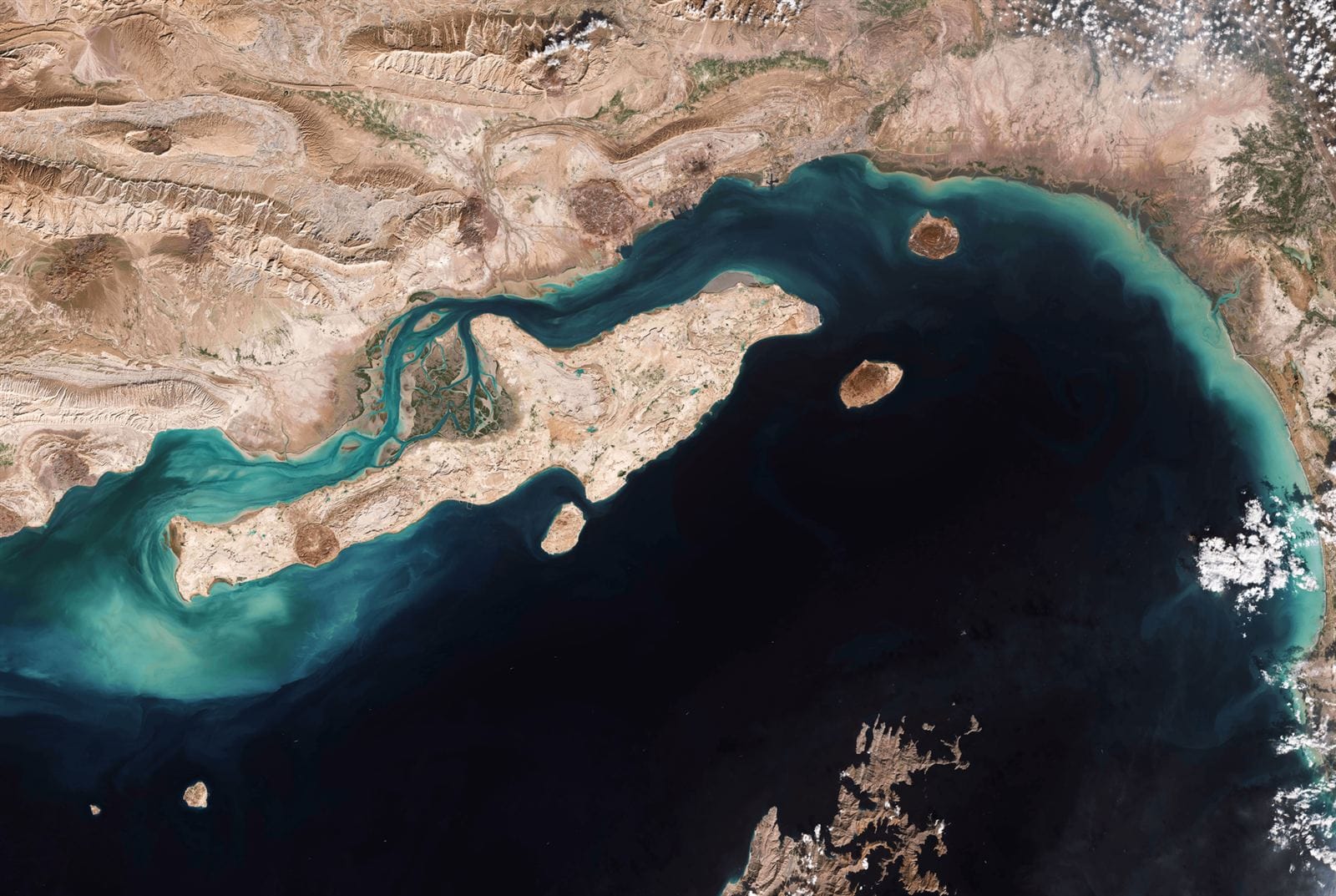
- Maritime incidents. Each provocation in the Strait of Hormuz is now priced into insurance and shipping rates within hours — a dashboard indicator of how close the region’s rivalries are to the water.
The old regional order was not replaced by a new one. It was dissolved into a set of overlapping arrangements that no single capital fully controls. That is not peace, and it is not pre-war. It is a new equilibrium — fragile, expensive and managed in real time.